Reaseheath Mini Zoo has been shortlisted for the prestigious Great British Wildlife Restoration Award, in recognition of its pioneering work to conserve the UK’s native dung beetles through Project DUNG.
This nationally recognised campaign has grown from a single moment of curiosity into a major research initiative. It was set up by Head Animal Keeper Nicole Hatcher, whose fascination with dung beetles began in a small southern zoo.
While researching African dung beetles for the zoo’s Africa Zone, Nicole stumbled upon an unexpected fact: the UK has its own native species – including some that are endangered.
“I had no idea we even had native dung beetles in the UK,” Nicole says. “And then to find out some were endangered? I was hooked. I just wanted to do something to help, and to tell people about them, because it felt like no one knew they existed.”
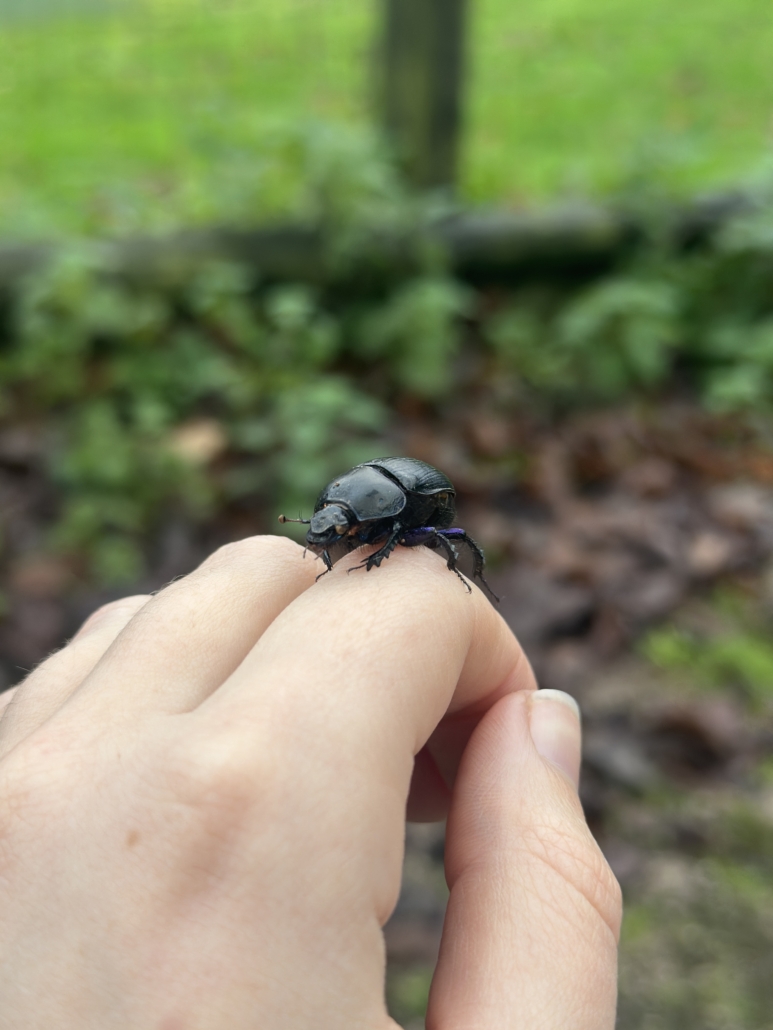
After moving to Reaseheath College and University Centre’s Nantwich-based campus zoo, Nicole’s curiosity turned into action. In June 2024, a chance sighting of a native dung beetle in the former tapir paddock sparked a simple idea: start a dung pile onsite.
“Finding that beetle here at Reaseheath was the perfect prompt to get things going. It was like, right, this is happening now!” she says.
Nicole soon teamed up with the British and Irish Association of Zoos and Aquariums (BIAZA) and the Royal Zoological Society of Scotland (RZSS), helping turn Project DUNG into a national initiative. She designed yearly project aims, developed materials for other zoos, and offered advice to collections wanting to get involved.
“The shock on people’s faces when you tell them there are native dung beetles in the UK always makes me smile,” Nicole says. “I love travelling to speak to students and colleagues. Seeing them get excited and want to help makes it all worthwhile. Conservation education is such a big part of this project.”
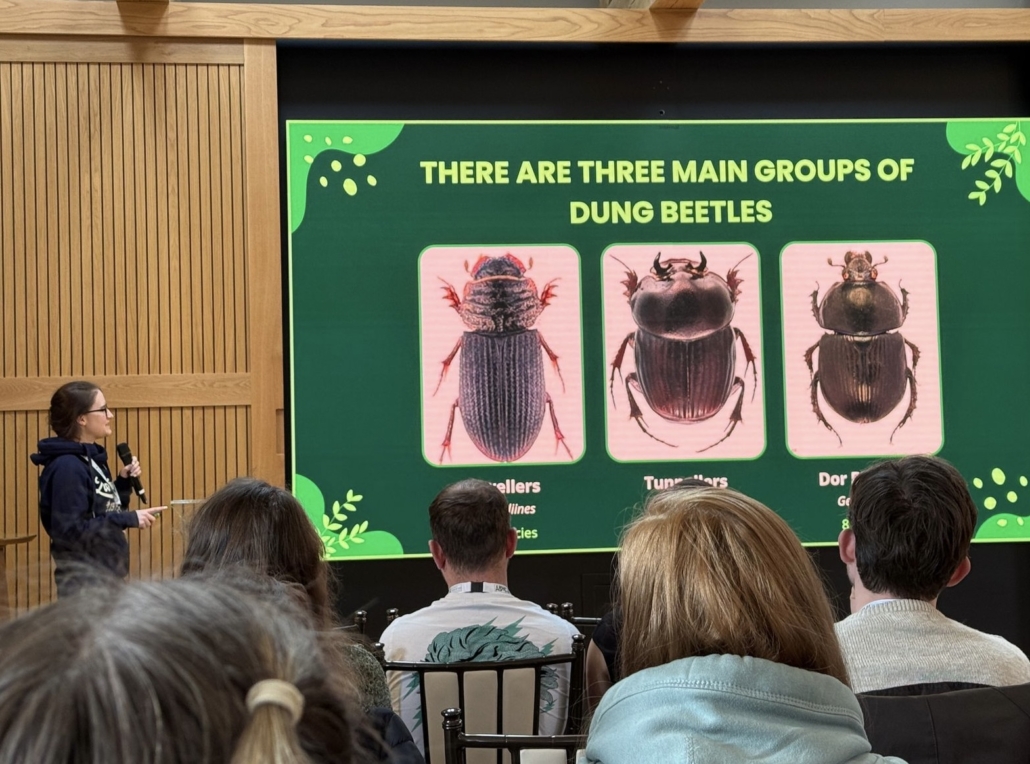
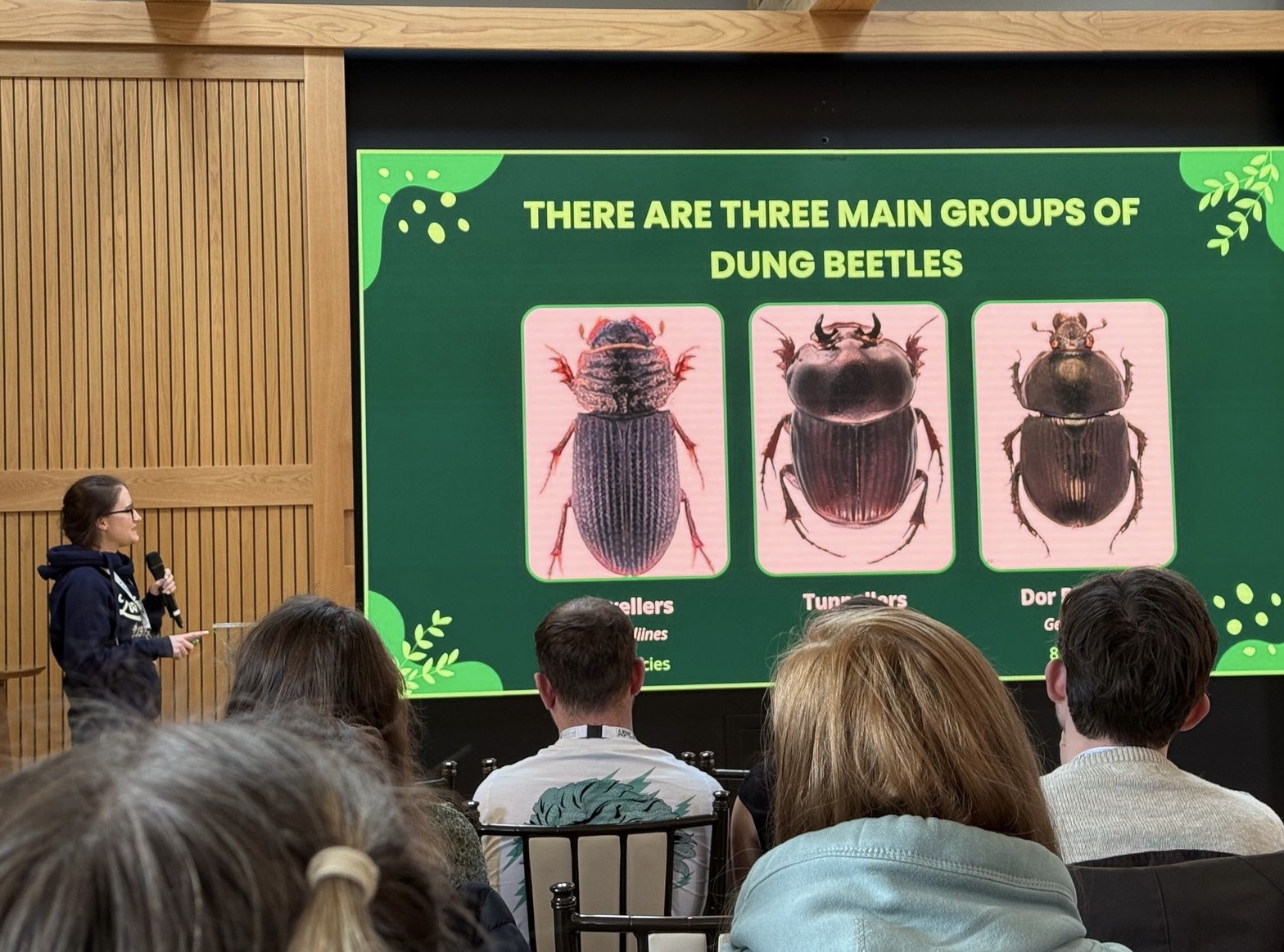
Nicole has shared her passion at conferences across the country, including the ABWAK Symposium at Chester Zoo, the UKACT Annual Conference at Rodbaston College, and the BIAZA Northern Conservation Education Meeting. Her presentations often spark conversations long after the talks end.
“People come up to me and say, ‘dung beetles?’ and I get to reply, ‘Yes! Let me tell you all about them.’ That’s when you know you’ve got them hooked,” she says.
Visitors and students at Reaseheath have played an important role in the project. During the summer holidays, Zoo Academy attendees helped with surveys, recording which beetle species were present – work that has been continued by the college and university centre’s students.
“It’s great to show our students they can directly contribute to real conservation,” Nicole says.
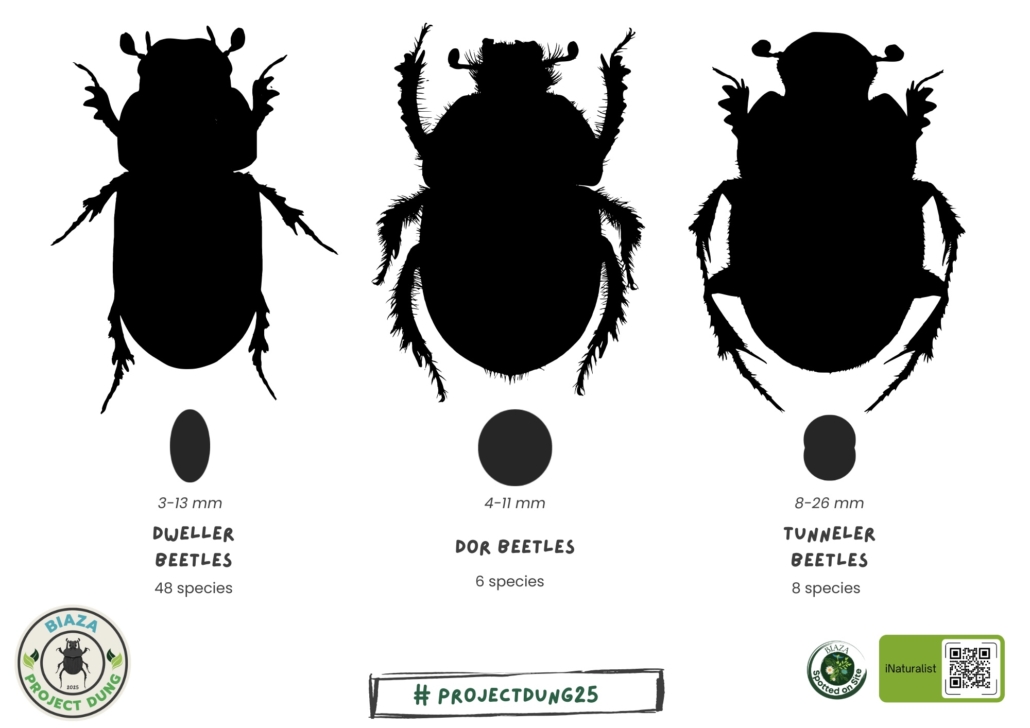
Project DUNG is filling a major gap in UK conservation. With around 60 species of dung beetle, many rarely surveyed, Nicole has been documenting what exists on the zoo site, while also helping other zoos and non-BIAZA collections set up their own conservation areas.
“The project has grown so much over the past two years,” she says. “I’ve even been invited to join the new BIAZA Native Invertebrate Focus Group, officially taking responsibility for dung beetles nationally. Normally these roles are applied for, so being chosen because of the work we’ve done with Project DUNG – it’s incredible and really rewarding.”
Being shortlisted for the Great British Wildlife Restoration Award is a huge achievement for Nicole and Reaseheath Mini Zoo.
“This project has been a massive milestone for me,” she says. “I started working towards it in 2023 at my previous zoo, and now it’s a national BIAZA project that began here at Reaseheath. I’m proud to represent the zoo, the dung beetles, and the work we do to highlight often-overlooked species.”
Adam Button, experienced animal keeper at the Royal Zoological Society of Scotland (RZSS), said: “Dung beetles play a vital yet often overlooked role in our ecosystems. Project DUNG has provided an excellent opportunity for our wildlife conservation charity to collaborate with Reaseheath Mini Zoo and BIAZA.
“Together we are raising awareness and improving our understanding of these important invertebrates across the UK. It has been truly inspiring to see colleagues in other zoos actively surveying their sites and their level of enthusiasm and engagement in helping to highlight the importance of dung beetles.”
Project DUNG joins 25 other shortlisted projects across the UK, demonstrating the breadth of conservation efforts underway. The winner will be decided by Members of Parliament and Lords on January 15th, 2026, with awards presented in Westminster.